
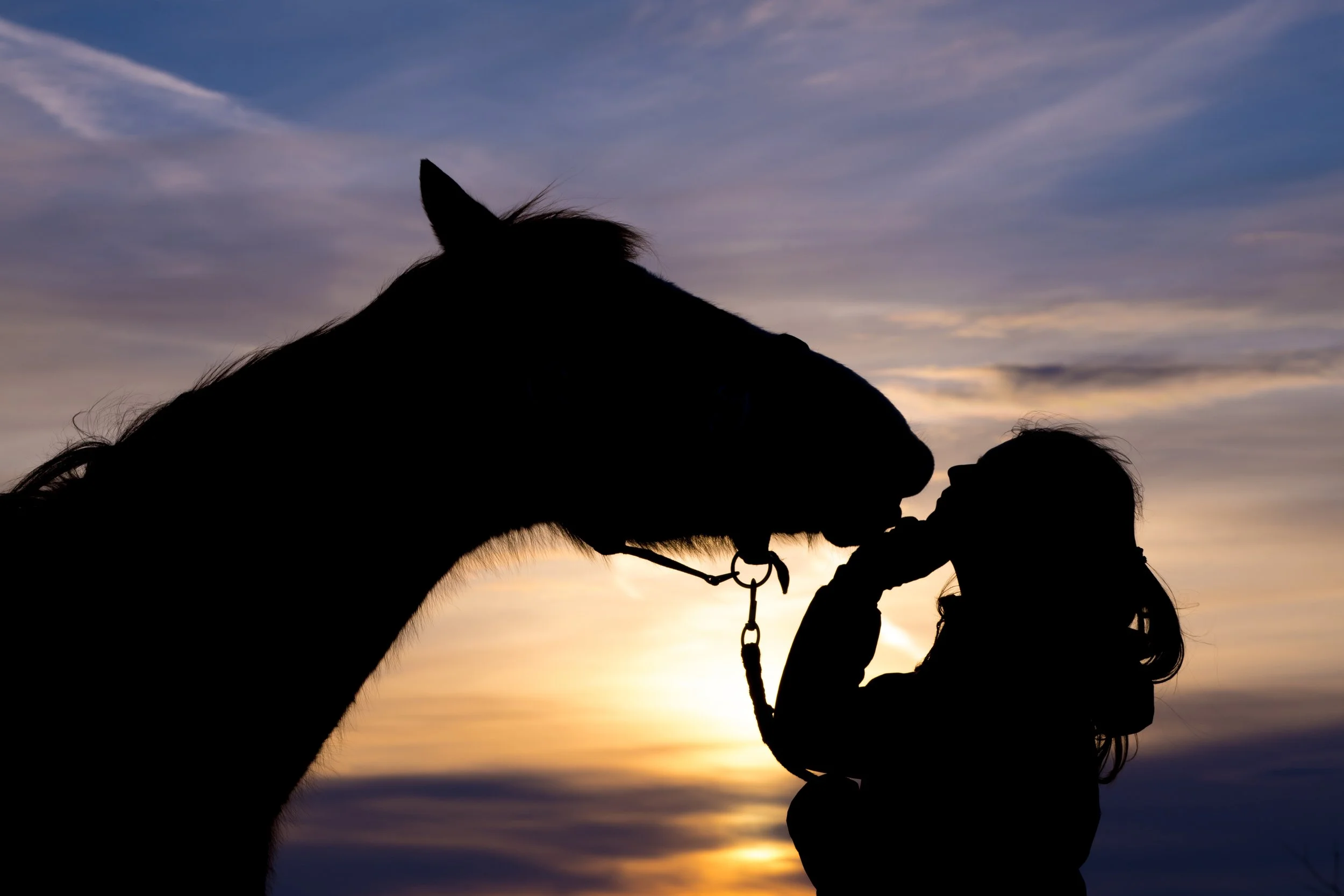
“The horse is a mirror to your soul, offering reflection without judgment.”

Equine-Assisted Psychotherapy & Coaching
Healing, Growth, and Connection—Guided by Horses
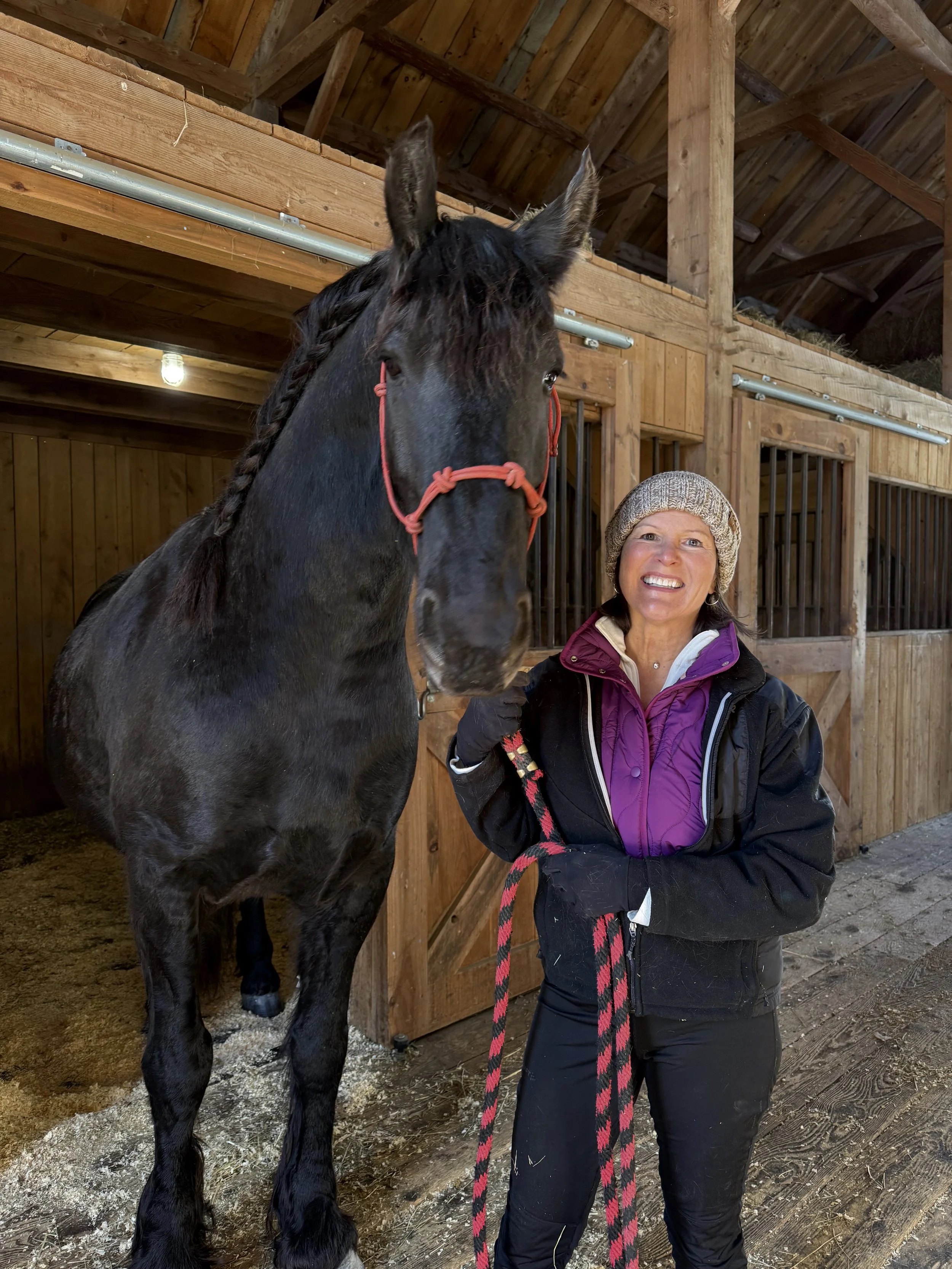
I have been around horses for as long as I can remember. One of the most meaningful relationships of my teenage years was with my horse, Goldie. Through him, I learned trust, confidence, and communication. At times, it felt as though he understood me better than anyone else. Over the years, I have had the privilege of working with many other spectacular horses, and each one has shown me the unique healing power of the human-horse connection.
Horses have an extraordinary ability to reflect what we bring into the present moment. They respond honestly, without judgment, offering valuable insight into our thoughts, emotions, relationships, and patterns of behavior. Whether you are seeking emotional healing, personal growth, greater confidence, or a deepened relationship with your horse, equine-assisted services offer a unique, experiential path toward lasting change.
I offer three distinct approaches to equine-assisted work, each designed to meet different goals and needs: Equine-Assisted Psychotherapy (EAP), including EAGALA Model services; Integrated Equine-Assisted Counseling; and Equine-Assisted Coaching.
Equine-Assisted Psychotherapy (EAP)
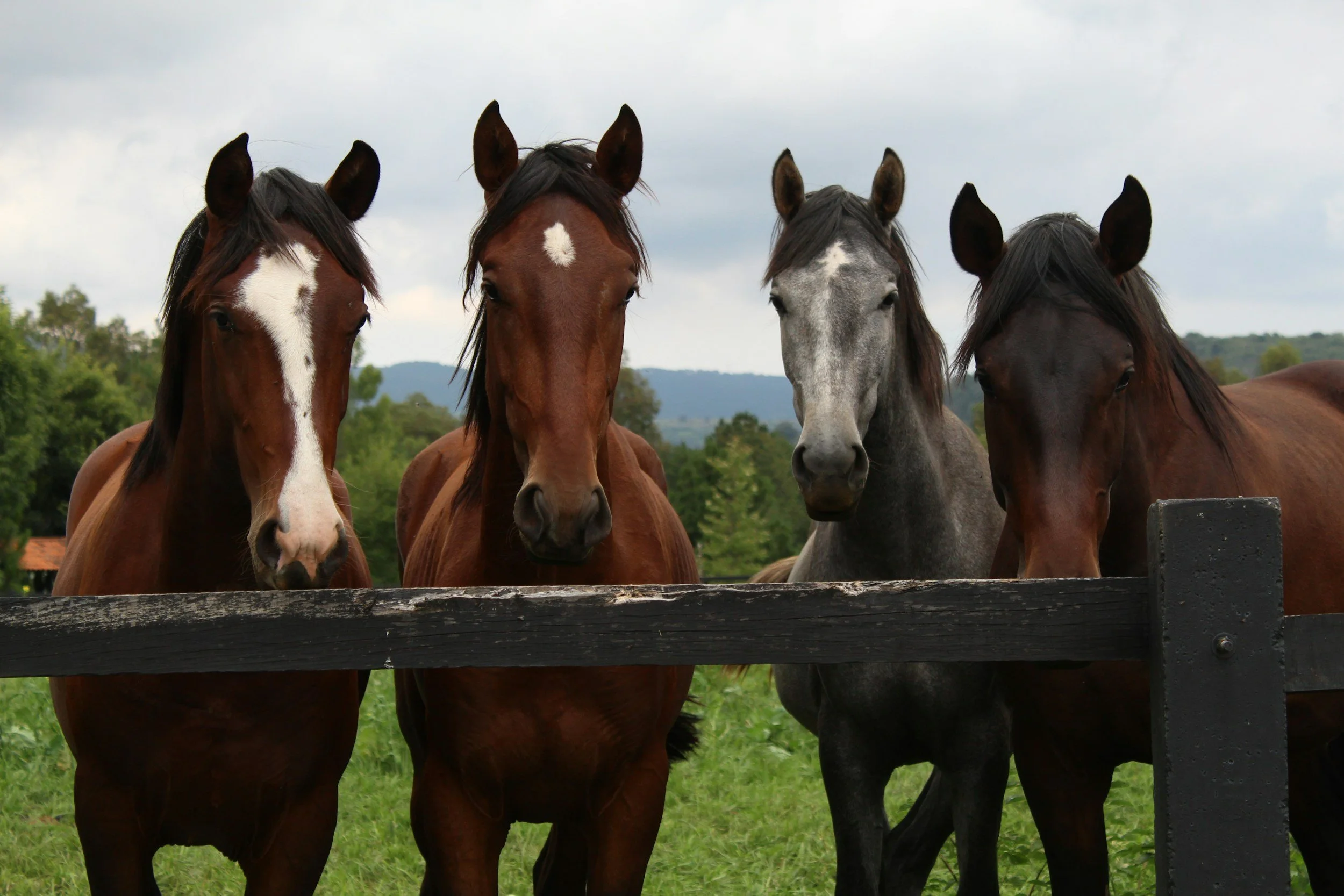
Equine-Assisted Psychotherapy is a collaborative mental health approach that incorporates horses into the therapeutic process. Sessions are designed to help clients develop greater self-awareness, process emotions, strengthen relationships, and create meaningful change.
All sessions take place on the ground in partnership with the horses. These experiences often reveal patterns that traditional talk therapy alone may not uncover, allowing clients to explore challenges in a safe, supportive, and engaging environment.
Equine-assisted psychotherapy may be beneficial for individuals experiencing:
· Anxiety and depression
· Communication difficulties
· Grief and loss
· Relationship difficulties
· Low self-esteem
· Life transitions
· Emotional regulation challenges
· Personal growth and self-discovery

Integrated Equine-Assisted Counseling
For clients who already participate in traditional counseling, horses can become a powerful extension of the therapeutic process.
Integrated Equine-Assisted Counseling combines office-based psychotherapy with equine experiences when clinically appropriate. Some sessions may take place in the office, while others occur with the horses, allowing insights gained in one setting to be explored and reinforced in another.
This flexible approach allows therapy to be tailored to your goals while providing opportunities for experiential learning that can deepen emotional awareness, strengthen coping skills, and accelerate personal growth.
The Eagala Model
As a Certified Eagala Mental Health Professional, I offer specialized equine-assisted psychotherapy services that utilize the Eagala Model, a globally recognized and evidence-informed approach to equine-assisted mental health.
The Eagala Model is founded on several core principles:
· A team approach: Sessions involve a licensed mental health professional, an equine specialist, and the horse(s), each contributing their unique expertise.
· Ground-based experiences: Interactions occur on the ground, creating opportunities for observation, problem-solving, communication, and emotional awareness.
· Client-directed discovery: Rather than being told what experiences mean, clients are encouraged to discover their own insights through interaction with the horses.
· Horses as active partners: Horses naturally respond to human emotions, body language, and energy, providing immediate and authentic feedback that can deepen self-understanding and support meaningful therapeutic change.
Because horses live fully in the present moment, they often help clients become more aware of their own emotions, communication patterns, boundaries, and relationships in ways that feel genuine and impactful.
Equine-Assisted Coaching
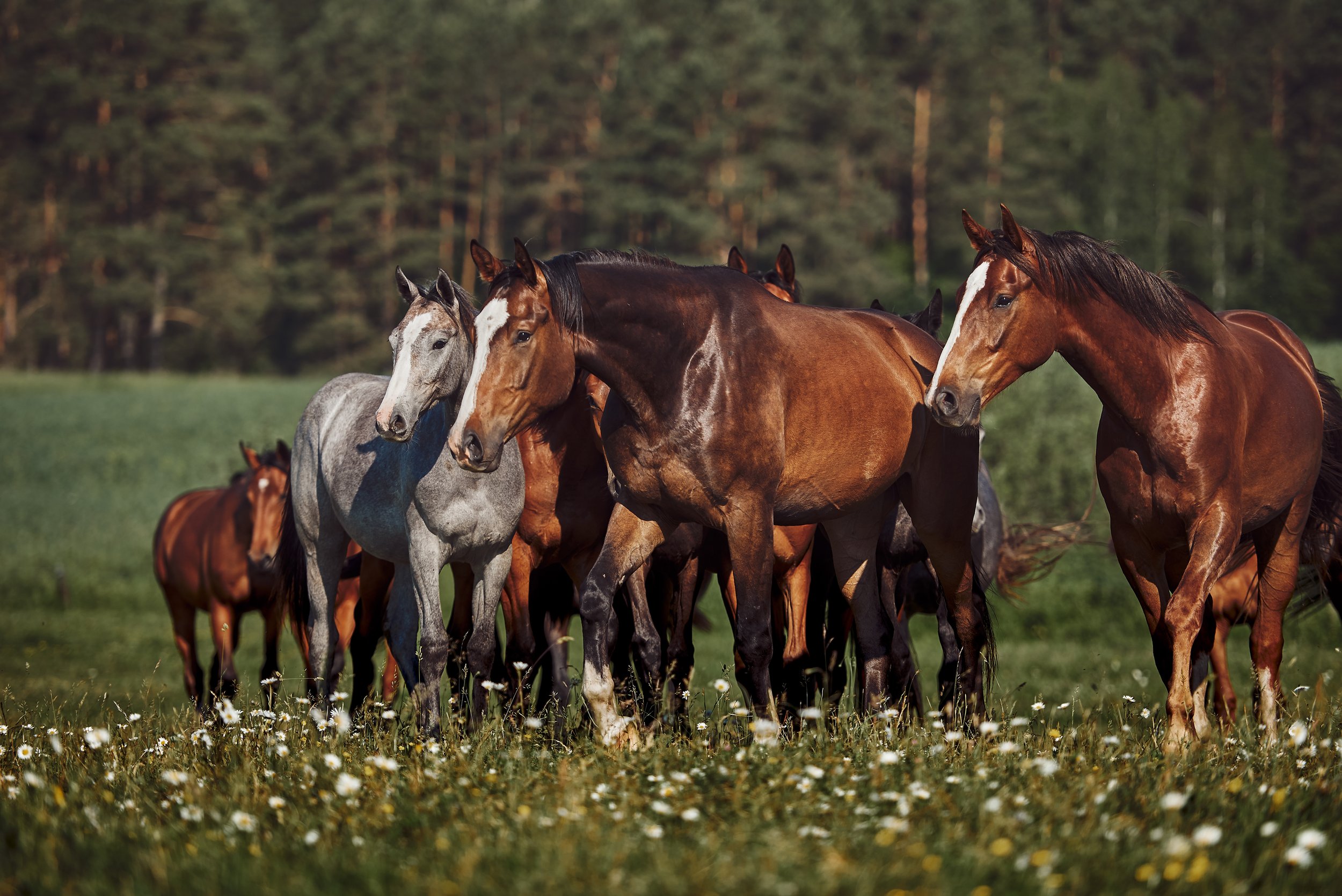
Equine-assisted coaching is designed for individuals, professionals, leaders, and organizations seeking personal growth, leadership development, improved communication, confidence, or enhanced performance. Unlike psychotherapy, coaching focuses on identifying strengths, developing practical skills, and creating actionable strategies to achieve personal and professional goals.
Working alongside horses provides immediate, honest feedback that helps clients increase self-awareness, strengthen emotional intelligence, improve communication, and develop authentic leadership. Horses respond to presence, clarity, consistency, and intention, making them exceptional partners for experiential learning.
Deepening the Horse-Rider Relationship
Successful partnerships are built on communication, trust, and mutual understanding—not simply technique.
Equine-assisted coaching can help riders:
· Improve communication with their horse
· Increase awareness of how emotions influence interactions
· Develop calm, effective leadership
· Build mutual trust and confidence
· Strengthen partnership both on the ground and under saddle
· Create more enjoyable and connected riding experiences
As riders become more aware of their own emotions, body language, and communication style, they often discover that positive changes in themselves naturally enhance their relationship with their horse.
Leadership & Team Development
Equine-assisted coaching offers a powerful, hands-on approach to developing effective leaders and high-performing teams. Through interactive experiences with horses, participants gain insight into how they communicate, collaborate, solve problems, and influence others.
Organizations and teams can benefit by strengthening:
· Leadership presence and authenticity
· Communication and active listening
· Trust and psychological safety
· Team cohesion and collaboration
· Conflict resolution
· Problem-solving and decision-making
· Emotional intelligence
· Creative thinking and innovation
These experiential activities create meaningful opportunities for reflection, allowing participants to translate insights directly into the workplace.
Fear After a Fall or Injury
A fall or significant riding incident can leave lasting emotional effects, even after physical healing has occurred. Fear, hesitation, and loss of confidence are common responses.
Through structured coaching experiences with horses, clients can:
· Rebuild confidence gradually
· Process fear in a supportive environment
· Develop strategies for managing anxiety
· Restore trust in themselves
· Re-establish trust with their horse
· Return to riding with greater confidence and emotional safety
Each client’s journey is individualized, honoring both emotional readiness and personal goals.
Performance Anxiety
Whether you compete in the show ring or simply want to enjoy riding again, performance anxiety can interfere with your ability to perform at your best.
Equine-assisted coaching helps riders:
· Develop confidence under pressure
· Increase emotional regulation
· Improve focus and presence
· Manage pre-performance anxiety
· Build trust in their own abilities
· Strengthen mental resilience
Is Equine-Assisted Therapy or Coaching Right for You?
Whether you are navigating life’s challenges, healing from difficult experiences, rebuilding confidence after a fall, or seeking a deeper connection with your horse, equine-assisted services offer a unique opportunity for growth through experience rather than conversation alone.
No previous horse experience is necessary for psychotherapy or ground-based coaching sessions. Horses are our partners in the process, providing honest feedback, meaningful connection, and opportunities for lasting transformation.
If you’re curious about whether equine-assisted psychotherapy or coaching is the right fit for you, I’d be happy to discuss your goals and help you determine the approach that best supports your journey.